11 دقيقة قراءة · 2,458 words
محارب عطلة نهاية الأسبوع: من يتداول عندما ينام العالم؟
عندما تتوقف الأسواق التقليدية، تبدأ معركة مختلفة. اكتشف أي الوسطاء يواصلون العمل وما هي الأصول التي يمكنك القتال من أجلها خلال عطلة نهاية الأسبوع.
النقاط الرئيسية
- أزواج العملات الأجنبية الرئيسية وأسواق الأسهم تغلق عمومًا مساء الجمعة، وتُعاد فتحها ليلة الأحد أو صباح الاثنين.
- العملات المشفرة هي الأصل الأساسي المتاح للتداول الحقيقي على مدار الساعة طوال أيام الأسبوع في عطلة نهاية الأسبوع من خلال العديد من وسطاء عقود الفروقات (CFD).
- "تداول عطلة نهاية الأسبوع" غالبًا ما يعني تداول عقود الفروقات (CFDs) على أدوات محددة، وليس الوصول المباشر إلى السوق.
- الرافعة المالية لتداول عقود الفروقات (CFD) في عطلة نهاية الأسبوع تحمل مخاطر مضاعفة، خاصة بدون سيولة مباشرة من البورصة.
- تختلف الرقابة التنظيمية لتداول عطلة نهاية الأسبوع؛ ركز على الوسطاء ذوي التراخيص القوية مثل FCA أو ASIC.
- كن مستعدًا لفروقات أسعار أوسع وثغرات سيولة محتملة عند التداول خارج ساعات العمل القياسية.
تجمع عطلة نهاية الأسبوع: صمت السوق وزئير العملات المشفرة
صباح السبت. سوق الفوركس الهائل، وهو محرك عالمي يحرك أكثر من 7 تريليون دولار يوميًا، يتوقف عن العمل. تتبعه البورصات الرئيسية في جميع أنحاء العالم. من نيويورك إلى طوكيو، أغلقت المؤسسات العملاقة التي توفر سيولته الهائلة دفاترها لهذا الأسبوع. بالنسبة للكثيرين، هذا وقت للراحة أو التحليل أو التحضير لجرس افتتاح الأسبوع المقبل. ولكن بالنسبة لعدد قليل مختار، لا يخلو قاع التداول أبدًا. انسَ العمل التقليدي من 9 إلى 5. غالبًا ما تعمل الأسواق المالية وفقًا لساعتها الخاصة. تُشير عطلة نهاية الأسبوع تقليديًا إلى توقف تام لمعظم التداولات المؤسسية ومزودي السيولة الرئيسيين في السوق. هذا الإغلاق ليس عشوائيًا؛ إنه واقع هيكلي مدفوع بالعمليات بين البنوك وإجراءات التسوية والأطر التنظيمية العالمية. عندما لا تتبادل البنوك العملات، يتوقف التدفق الأساسي لسوق الفوركس الفوري. ومع ذلك، فقد أحدث نوع جديد من الأصول ثورة في هذا النمط بالكامل. العملات المشفرة لا تهتم بتقويمك. فهي تتداول 24 ساعة في اليوم، سبعة أيام في الأسبوع، 365 يومًا في السنة. يخلق هذا الاختلاف الجوهري بيئة تداول في عطلة نهاية الأسبوع لا مثيل لها من قبل. يسير البيتكوين وإخوانه الرقميون على إيقاعهم الخاص، مدفوعين بشبكة عالمية من المشاركين والبورصات اللامركزية التي لا تتوقف أبدًا. هذا لا يتعلق بإيجاد باب خلفي لبورصة NYSE يوم الأحد. بل يتعلق بفهم الأدوات والمنصات المحددة التي تقدم حقًا حركة في عطلة نهاية الأسبوع. يوسع بعض الوسطاء عروضهم إلى ما بعد الساعات القياسية، ولكن غالبًا من خلال أدوات محددة مثل عقود الفروقات (CFDs) بدلاً من الوصول المباشر إلى السوق. اعرف الفرق. استراتيجيتك ومخاطرك ومكاسبك المحتملة تعتمد كليًا على فهم هذا التمييز. اختيار الوسيط المناسب هنا هو نصف المعركة.
الفوركس: توقف عطلة نهاية الأسبوع الكبير
سوق العملات الأجنبية هو أكبر سوق مالي عالميًا، يحرك تريليونات يوميًا. ومع ذلك، يتوقف عن العمل في عطلات نهاية الأسبوع. لماذا؟ لأن الفوركس هو سوق بين البنوك في المقام الأول. البنوك والمؤسسات المالية الكبيرة، التي تعمل عبر مناطق زمنية، تدفع سيولته الهائلة واكتشاف الأسعار. عندما يحل مساء الجمعة، عادة حوالي الساعة 5 مساءً بتوقيت شرق الولايات المتحدة (EST)، تنهي البنوك في نيويورك عملها. تكون نظيراتها في لندن وفرانكفورت وطوكيو قد أغلقت بالفعل أو على وشك الإغلاق. ببساطة، تتلاشى مجمعات السيولة الرئيسية التي تسمح بالتداول بفروقات أسعار ضيقة. بدون هؤلاء اللاعبين المؤسسيين الذين يقدمون الأسعار وينفذون الأوامر بنشاط، يختفي الحجم الهائل من المعاملات المطلوبة للحفاظ على فروقات أسعار ضيقة واكتشاف فعال للأسعار. يتبقى لك سوق، لجميع المقاصد والأغراض، نائم. محاولة تداول أزواج العملات الرئيسية مثل EUR/USD أو GBP/JPY خلال هذه الفترة ستكون مقامرة. ستتسع فروقات الأسعار بشكل كبير، وسيكون التنفيذ غير متناسق، وسيرتفع خطر الانزلاق الكبير – حيث يتم ملء طلبك بسعر أسوأ مما كان مقصودًا – بشكل كبير. لا يوجد وسيط رئيسي يستحق الثقة يبقي أزواج الفوركس الرئيسية مفتوحة يومي السبت والأحد للتداول الفوري الحقيقي. لا يمكنهم ذلك، ليس بمصداقية. أي منصة تدعي تقديم "فوركس عطلة نهاية الأسبوع" من المحتمل أنها تقدم منتجًا اصطناعيًا بتسعير مشكوك فيه للغاية، وسيولة سوقية حقيقية قليلة أو معدومة، وتكاليف باهظة محتملة. التزم بساعات السوق الفعلية لتداول العملات الحقيقي؛ محاولة فرضه في عطلة نهاية الأسبوع هي مهمة حمقاء. المخاطر تفوق بكثير أي فرصة متصورة.
العملات المشفرة: العملاق الذي لا ينام
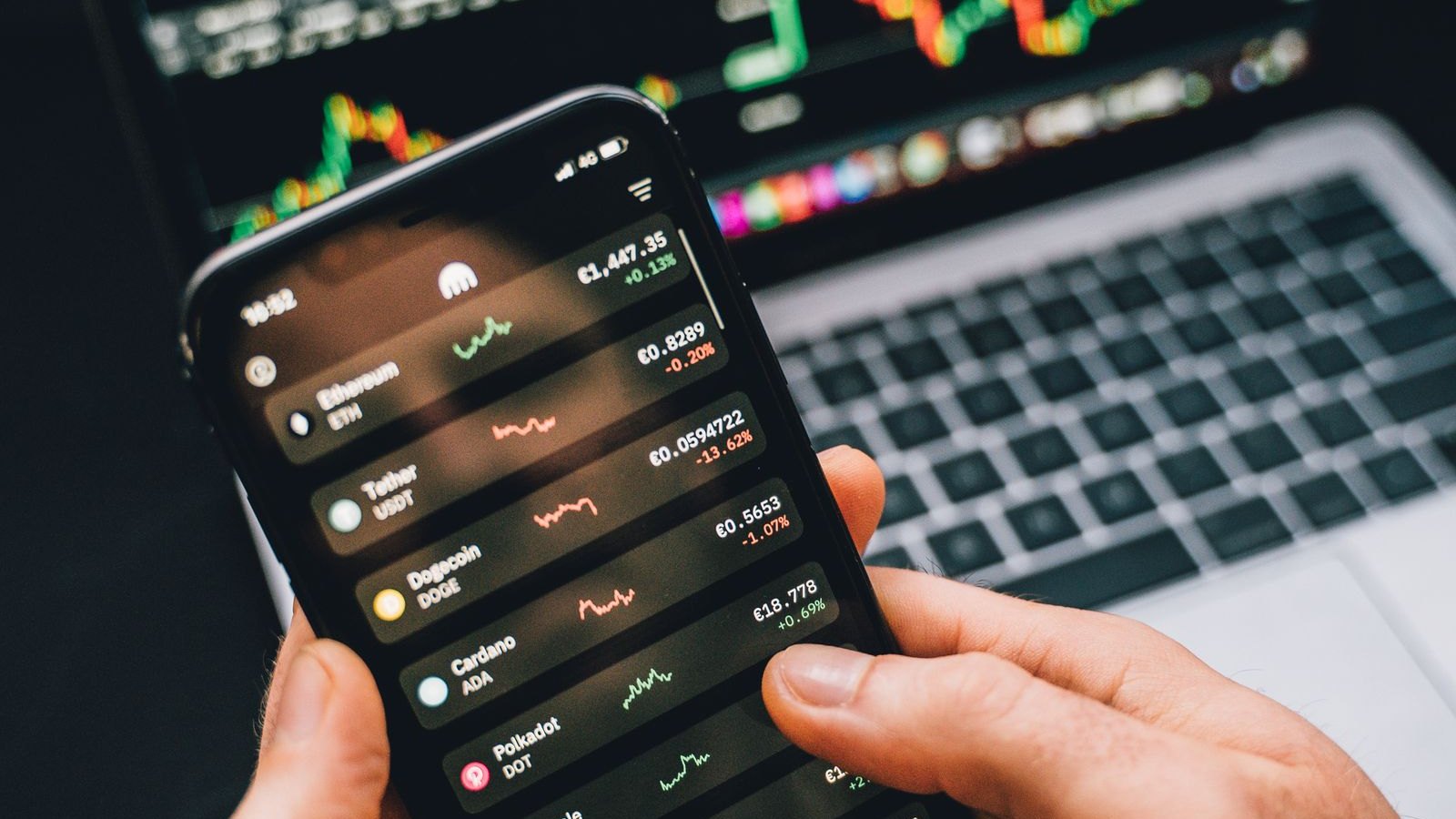
إذا كان الفوركس التقليدي يأخذ قيلولة منظمة، فإن العملات المشفرة لا تنام أبدًا. يتداول البيتكوين والإيثيريوم وآلاف العملات البديلة على مدار الساعة، كل يوم. هذه سمة مميزة للأصول الرقمية اللامركزية. لا توجد بورصة مركزية تغلق أبوابها؛ بدلاً من ذلك، تحافظ شبكة عالمية من المشاركين، بما في ذلك البورصات اللامركزية (DEXs) وبورصات العملات المشفرة المركزية الكبيرة، على تشغيل المحركات. يعني هذا النشاط المستمر أن حركة الأسعار الحقيقية تحدث خلال عطلة نهاية الأسبوع. بالنسبة للمتداولين الذين يبحثون عن حركة يوم السبت أو الأحد، غالبًا ما تكون العملات المشفرة هي الجاذب الرئيسي، طنين مستمر من الفرص. يقدم العديد من وسطاء عقود الفروقات (CFD)، فهمًا لهذا الطلب القوي على الوصول على مدار الساعة طوال أيام الأسبوع، عقود فروقات (CFDs) على العملات المشفرة الشائعة. يتيح لك هذا المضاربة على تحركات الأسعار دون امتلاك الأصل الرقمي الأساسي مباشرة. يدرج وسطاء مثل AvaTrade و Plus500 و Exness و IC Markets جميعهم عقود فروقات العملات المشفرة (crypto CFDs) صراحة كجزء من عروضهم. هذه هي الطريقة التي يقدمون بها تداول عطلة نهاية الأسبوع للأصول الرقمية. أنت لا تشتري البيتكوين الفعلي على بلوكتشين وتخزنه في محفظة عملات مشفرة؛ أنت تتداول مشتقًا تعكس قيمته سعر البيتكوين. هذا التمييز مهم للغاية للحضانة والرسوم والحماية التنظيمية. بينما سوق العملات المشفرة الأساسي يعمل حقًا على مدار الساعة طوال أيام الأسبوع، كن على دراية بأن سوق عقود الفروقات (CFD) للعملات المشفرة قد لا يزال يشهد مستويات سيولة متفاوتة في عطلات نهاية الأسبوع، مما قد يؤدي إلى فروقات أسعار أوسع أو فجوات سعرية. يمكن أن يكون تقلب العملات المشفرة في عطلة نهاية الأسبوع شديدًا، وما يبدو فرصة يمكن أن يتحول بسرعة إلى خسارة مدمرة بدون إدارة مخاطر دقيقة.
تداول عطلة نهاية الأسبوع ليس فوضى عارمة. إنه مجال متخصص يتطلب عقلية مختلفة وتركيزًا حادًا على أصول معينة.
ما وراء العملات المشفرة: خيارات محدودة لعطلة نهاية الأسبوع
بينما تهيمن العملات المشفرة على نقاش تداول عطلة نهاية الأسبوع، قد تتوفر بعض الأدوات المحددة الأخرى عبر وسطاء عقود الفروقات (CFD). غالبًا ما تكون هذه الأدوات محدودة للغاية في نطاقها وتعتمد بشكل كبير على وصول الوسيط المحدد إلى السوق وترتيبات السيولة. فكر في مؤشرات أو سلع مختارة لديها أسواق عقود آجلة موازية نشطة خلال ساعات محددة خارج أوقات العمل. على سبيل المثال، تذكر Plus500 صراحة "US Futures on Bitcoin, S&P 500, Oil" في شعارها. يشير هذا إلى توفر عقود الفروقات (CFDs) القائمة على هذه العقود الآجلة، والتي يمكن أن يكون لها أحيانًا ساعات تداول ممتدة تتجاوز السوق الفوري. من المهم التمييز. يغلق سوق "فوري" للذهب مع البورصات الرئيسية. لكن عقدًا آجلًا للنفط الخام، على سبيل المثال، قد يكون له جلسات تداول إلكترونية تمتد إلى أجزاء من عطلة نهاية الأسبوع، وإن كان ذلك بسيولة منخفضة. الوسطاء الذين يقدمون عقود فروقات (CFDs) على هذه العقود الآجلة المحددة يستفيدون من تلك الساعات الممتدة. ومع ذلك، هذه استثناءات وليست القاعدة. سيكون عمق وسيولة هذه الأدوات يوم السبت أو الأحد مختلفين تمامًا عن بعد ظهر يوم الثلاثاء. يمكن أن يكون اكتشاف الأسعار غير منتظم. ستكون معظم مؤشرات الأسهم العالمية والأسهم الفردية والسندات الحكومية والسلع التقليدية مثل الذهب الفوري والنفط الخام مغلقة تمامًا. أي وسيط يدعي تقديم هذه الأصول كأصول سائلة وقابلة للتداول خلال عطلة نهاية الأسبوع من المحتمل أنه يقدم منتجًا اصطناعيًا بتسعير مشكوك فيه للغاية، أو أنه يضللك بشأن نشاط السوق الأساسي. تحقق دائمًا من ساعات عمل السوق الأساسي والسيولة قبل افتراض أنك تحصل على تسعير حقيقي وسائل في عطلة نهاية الأسبوع. لا تقع فريسة لوهم التداول الضعيف؛ إنه طريق سريع للتعرض للاحتيال.
قوائم وسطاء عطلة نهاية الأسبوع: من في اللعبة؟
عندما يدق جرس عطلة نهاية الأسبوع، لا يستجيب كل وسيط للنداء لكل أصل. يحدد اختيارك للمنصة خيارات التداول الخاصة بك في عطلة نهاية الأسبوع. يميل بعض الوسطاء بقوة إلى عقود فروقات العملات المشفرة (crypto CFDs)، بينما يقدم آخرون مجموعة أوسع، وإن كانت لا تزال محدودة، من المشتقات الأخرى القائمة على العقود الآجلة الأساسية. إنها معركة وجهاً لوجه على حصة السوق في عطلة نهاية الأسبوع، وكل وسيط يجلب ترسانة مختلفة. IC Markets، بذكرها "CFDs on Commodities, futures, bonds, and digital assets"، تضع نفسها صراحة كلاعب في مجال عقود الفروقات (CFD) الأوسع الذي يمكن أن يشمل عروض عطلة نهاية الأسبوع لمنتجات معينة قائمة على العقود الآجلة. تبرز AvaTrade "Cryptos" مباشرة، مما يشير إلى التزامها هناك. توضح Plus500 الأمر بوضوح بعبارة "US Futures on Bitcoin, S&P 500, Oil". هذه الشعارات ليست مجرد تسويق فارغ؛ إنها تقدم أدلة مباشرة على أدواتها النشطة وقدراتها في عطلة نهاية الأسبوع. يركز الوسطاء مثل Pepperstone و XM و OANDA و FOREX.com و FxPro و eToro و Exness بشكل أساسي على الفوركس وعقود الفروقات (CFDs) العامة خلال ساعات السوق القياسية. بينما يقدم العديد منهم عقود فروقات العملات المشفرة (crypto CFDs) لتلبية الطلب الحديث، فإن تسويقهم لا يركز دائمًا على الوصول الأوسع في عطلة نهاية الأسبوع لفئات الأصول الأخرى. لكي نكون واضحين، لا يعني عرض الوسيط العام لعقود الفروقات (CFD) تلقائيًا أن جميع تلك العقود متاحة خلال عطلة نهاية الأسبوع. تحقق دائمًا من قائمة الأدوات المحددة وساعات التداول مباشرة على منصة الوسيط قبل أن تلتزم برأس مالك. التفاصيل الدقيقة تنقذك من عطلة نهاية أسبوع ضائعة، أو الأسوأ من ذلك، خسارة مفاجئة.
قدرات تداول الوسطاء في عطلة نهاية الأسبوع (بناءً على الشعارات والعروض الموثقة)
| الوسيط | الأصول الرئيسية المتاحة في عطلة نهاية الأسبوع (كما يتضح من الشعار) | تركيز العروض المحتمل في عطلة نهاية الأسبوع |
|---|---|---|
| AvaTrade | العملات الرقمية | عقود الفروقات على العملات الرقمية - تركيز قوي |
| eToro | البيانات والأدوات والذكاء الجماعي الذي تحتاجه لاستثمار أفضل | عقود الفروقات على العملات الرقمية - شائع لمنصات التداول الاجتماعي |
| Exness | الأسواق العالمية وأدوات التداول على منصات تداول متعددة عبر الإنترنت | عقود الفروقات على العملات الرقمية - محتمل، نظراً لانتشارها العالمي |
| FOREX.com | الوسيط رقم 1 في الفوركس في الولايات المتحدة* | عقود الفروقات على العملات الرقمية - محتمل، كعرض قياسي للوسطاء الحديثين |
| FxPro | عقود الفروقات على أزواج العملات وسبع فئات أصول أخرى | عقود الفروقات على العملات الرقمية، وربما عقود فروقات أخرى مختارة قائمة على العقود الآجلة |
| IC Markets | عقود الفروقات على السلع والعقود الآجلة والسندات والأصول الرقمية | عقود الفروقات على العملات الرقمية، وربما عقود فروقات قائمة على العقود الآجلة على المؤشرات/السلع |
| OANDA | صوت له كأكثر وسيط فوركس شعبية وأفضل وسيط فوركس (جوائز TradingView للوسطاء 2021) | عقود الفروقات على العملات الرقمية - محتمل، للحفاظ على عروض تنافسية |
| Pepperstone | أحد أبرز وسطاء الفوركس وعقود الفروقات عبر الإنترنت في أستراليا | عقود فروقات العملات الرقمية (Crypto CFDs) - شائعة لدى كبار مزودي عقود الفروقات (CFD) |
| Plus500 | تداول العقود الآجلة الأمريكية على Bitcoin و S&P 500 والنفط | عقود فروقات العقود الآجلة للعملات الرقمية (Crypto Futures CFDs)، عقود فروقات العقود الآجلة للمؤشرات (Index Futures CFDs)، عقود فروقات العقود الآجلة للسلع (Commodity Futures CFDs) - تركيز واضح |
| XM | تداول بثقة مع XM... | عقود فروقات العملات الرقمية (Crypto CFDs) - محتمل، نظراً لاتساع نطاق العروض |
الرافعة المالية في عطلة نهاية الأسبوع: سيف ذو حدين
تداول عطلة نهاية الأسبوع، خاصة مع عقود الفروقات (CFDs)، غالباً ما يأتي مع طبقة إضافية من المخاطر: الرافعة المالية. الرافعة المالية تضخم الأرباح والخسائر على حد سواء. بينما تسمح لك بالتحكم في مركز أكبر برأس مال أقل، فإنها تعني أيضاً أن حركة سوق صغيرة ضدك يمكن أن تمحو رصيد حسابك بسرعة. هذه المخاطرة موجودة دائماً مع الرافعة المالية، لكنها تصبح أكثر حدة بشكل كبير خلال ساعات عطلة نهاية الأسبوع. تأمل هذا: خلال ساعات أيام الأسبوع العادية، تتمتع الأسواق الرئيسية بسيولة هائلة، حيث يتم تداول مليارات الدولارات كل ساعة. وهذا يعني عادة أن حركة الأسعار تكون سلسة نسبياً، وتتفاعل بشكل متوقع مع الأخبار وتدفق الأوامر. خلال عطلة نهاية الأسبوع، خاصة بالنسبة لعقود فروقات العملات الرقمية (crypto CFDs) أو العقود الآجلة ذات التداول الخفيف، يمكن أن تتضاءل السيولة بشكل كبير. أمر كبير واحد، أو حتى مجرد خبر مفاجئ، يمكن أن يخلق تقلبات سعرية دراماتيكية وغير متناسبة، والتي كانت ستتم تسويتها بواسطة حجم التداول خلال الأسبوع. إذا كنت تستخدم رافعة مالية عالية في مثل هذه البيئة، فأنت تلعب بالنار. حددت الهيئات التنظيمية مثل ESMA الرافعة المالية لعقود الفروقات (CFD) للعملاء الأفراد بـ 1:30 لأزواج الفوركس الرئيسية، وحتى أقل للأصول الأخرى، مثل 1:2 للعملات الرقمية. يوجد هذا التدخل لسبب بالغ الأهمية: لحماية المتداولين من المبالغة في المخاطرة في الأسواق المتقلبة. رافعة مالية بنسبة 1:2 على العملات الرقمية تعني أن انخفاضاً في السعر بنسبة 10% على مركز بقيمة 10,000 دولار يمكن أن يمحو نصف هامشك البالغ 5,000 دولار. تخيل الدمار بدون هذه الحدود القصوى، أو في سوق غير سائل حقاً حيث يمكن أن تحدث حركة بنسبة 20-30% في دقائق. كن حذراً في استخدام الرافعة المالية، خاصة في عطلات نهاية الأسبوع.
التنظيم: درعك في عطلة نهاية الأسبوع
التداول خارج ساعات السوق العادية لا يعني أنه يمكنك تجاهل الحماية التنظيمية. بل على العكس، تصبح أكثر أهمية. الوسيط غير المنظم الذي يقدم "فرص عطلة نهاية الأسبوع" هو علامة حمراء واضحة، وليس ضوءاً أخضر. تفرض الهيئات التنظيمية القوية مثل هيئة السلوك المالي في المملكة المتحدة (FCA)، و ASIC في أستراليا، أو CFTC/NFA في الولايات المتحدة قواعد صارمة على كيفية عمل الوسطاء. وتشمل هذه فصل أموال العملاء الإلزامي، ومتطلبات رأس المال الكافية لضمان ملاءة الوسيط، وآليات قوية لحل النزاعات. عندما تتداول مع وسيط منظم من قبل سلطة من الدرجة الأولى، يكون لديك حق الرجوع إذا ساءت الأمور. تفرض هذه الهيئات التنظيمية أيضاً حدوداً على الرافعة المالية، وتضمن تسعيراً شفافاً، وتطالب بممارسات تنفيذ عادلة. قد يقدم الوسطاء الذين يعملون بموجب تراخيص أقل صرامة، وغالباً ما تكون خارجية، رافعة مالية أعلى أو شروطاً أقل شفافية. على الرغم من أن هذا قد يبدو جذاباً، إلا أنه غالباً ما يخفي مخاطر هائلة وحماية قليلة أو معدومة لأموالك. لا تنخدع بوعود المال السهل بدون رقابة مناسبة. يجب أن تكون سلامة رأس مالك دائماً أولويتك القصوى. تحقق من ترخيص وسيطك المحدد لمنطقتك. على سبيل المثال، عميل أسترالي لـ Pepperstone أو IC Markets سيخضع لإشراف ASIC. عميل من المملكة المتحدة لـ FxPro أو Exness سيكون تحت إشراف FCA. الكيان المحدد وجهة التنظيم الخاصة به يهمان بشكل كبير. هذا هو الجزء الذي تتجاهله معظم الأدلة، لكنه حيوي. التداول في عطلة نهاية الأسبوع يعني أنك غالباً ما تتعامل مع مزودي عقود الفروقات (CFD)، وامتثالهم التنظيمي هو ضمان حاسم لرأس مالك. قم دائماً بزيارة الموقع الرسمي للجهة التنظيمية (مثل FCA Financial Services Register، ASIC Professional Registers) لتأكيد حالة الوسيط.
كبار الجهات التنظيمية للوسطاء من أجل حماية محسنة للعملاء
| الوسيط | الجهات التنظيمية الرئيسية من الفئة الأولى (أمثلة) | الولايات القضائية المرتبطة بالتنظيم |
|---|---|---|
| AvaTrade | البنك المركزي الأيرلندي، ASIC | الاتحاد الأوروبي (أيرلندا)، أستراليا |
| eToro | FCA, CySEC, ASIC | المملكة المتحدة، قبرص، أستراليا |
| Exness | FCA, CySEC | المملكة المتحدة، قبرص |
| FOREX.com | CFTC/NFA, FCA, ASIC | الولايات المتحدة، المملكة المتحدة، أستراليا |
| FxPro | FCA, CySEC | المملكة المتحدة، قبرص |
| IC Markets | ASIC, CySEC | أستراليا، قبرص |
| OANDA | FCA, CFTC/NFA, ASIC | المملكة المتحدة، الولايات المتحدة، أستراليا |
| Pepperstone | FCA, ASIC, CySEC | المملكة المتحدة، أستراليا، قبرص |
| Plus500 | FCA, CySEC, ASIC | المملكة المتحدة، قبرص، أستراليا |
| XM | CySEC, ASIC | قبرص، أستراليا (أيضًا IFSC, DFSA) |
التكاليف الخفية: السبريد والسواب
هل تعلم أن راحة التداول في عطلة نهاية الأسبوع تأتي غالبًا بثمن أغلى من التداول خلال أيام الأسبوع؟ فالسبريد – وهو الفرق بين سعر الشراء والبيع – يتسع عادةً بشكل كبير عندما تنخفض سيولة السوق. وهذا ينطبق بشكل خاص على عقود الفروقات (CFDs) على العملات الرقمية أو أي أصل آخر يتم تداوله خارج ساعات عمل سوقه الأساسي. يواجه صناع السوق ومزودو السيولة منافسة أقل في هذه الأوقات، مما يتيح لهم تقديم أسعار أوسع. اتساع السبريد يعني أن صفقتك ستبدأ بخسارة أكبر. فإذا كانت عقود الفروقات للعملات الرقمية عادةً ما يكون لها سبريد بنسبة مئوية ضئيلة خلال ساعات الذروة في أيام الأسبوع، فقد تقفز بسهولة إلى عدة نقاط مئوية خلال عطلة نهاية الأسبوع. هذه السبريدات الأوسع تلتهم أرباحك، مما يجعل من الصعب عليك تحقيق التعادل أو جني الأرباح في الصفقات قصيرة الأجل. تذكر أن كل نقطة أو بيب من السبريد يمثل تكلفة تُحتسب ضد مركزك. تذكر أيضًا رسوم التمويل الليلية، المعروفة باسم السواب أو التبييت. إذا أبقيت مركز CFD مفتوحًا من الجمعة حتى الاثنين، فستتكبد هذه الرسوم لمدة ليلتين أو ثلاث ليالٍ، وذلك اعتمادًا على الأصل، وزوج العملات، والوسيط الذي تتعامل معه. على سبيل المثال، عند الاحتفاظ بمركز خلال عطلة نهاية الأسبوع، عادةً ما يتم فرض رسوم سواب تعادل ثلاثة أيام، وغالبًا ما تُطبق ليلة الأربعاء على الفوركس لمراعاة تسوية عطلة نهاية الأسبوع، أو مباشرة خلال عطلة نهاية الأسبوع للأصول المتاحة 24/7 مثل العملات الرقمية. قد يفرض بعض الوسطاء حتى معدل سواب أعلى للاحتفاظ بالمراكز خلال فترة عطلة نهاية الأسبوع ذات السيولة المنخفضة، مما يعكس زيادة مخاطرهم. تتراكم هذه الرسوم بسرعة ويمكن أن تؤدي إلى تآكل أرباحك المحتملة بشكل كبير، محولةً صفقة تبدو واعدة إلى صفقة خاسرة بمجرد الاحتفاظ بها لفترة طويلة جدًا. لذا، ضع هذه العوامل دائمًا في حساباتك.
جاهزية المنصة: مركز قيادتك لعطلة نهاية الأسبوع
منصة تداولك هي مركز قيادتك، بغض النظر عن يوم الأسبوع. لتداول عطلة نهاية الأسبوع، تحتاج إلى منصة موثوقة، سريعة الاستجابة، وتقدم الأصول المحددة التي تستهدفها. معظم الوسطاء الذين يدعمون تداول عقود الفروقات (CFD) في عطلة نهاية الأسبوع سيوفرون ذلك عبر منصاتهم القياسية: MetaTrader 4 (MT4)، MetaTrader 5 (MT5)، cTrader، أو تطبيقات الويب والجوال الخاصة بهم. تبرز Pepperstone و IC Markets و XM جميعها MT4 و MT5، وأحيانًا TradingView، كمنصات متاحة. توفر هذه المنصات أدوات رسوم بيانية متقدمة، ومؤشرات فنية، وقدرات تداول آلي. عندما تكون ظروف السوق أقل سيولة وربما أكثر تقلبًا، يصبح التحكم الدقيق في أوامرك، والتمثيل البصري الواضح للأسعار، والرسوم البيانية الموثوقة أكثر أهمية. تسمح المنصة الجيدة بالتنفيذ السريع ووضع أوامر وقف الخسارة (stop-loss) بدقة، وهما أمران لا يمكن المساومة عليهما لتداولات عطلة نهاية الأسبوع. تأكد من أن منصتك المختارة توفر بيانات حقيقية في الوقت الفعلي للأدوات التي تنوي تداولها في عطلة نهاية الأسبوع. قد تعرض بعض المنصات أسعارًا متأخرة أو إرشادية خارج ساعات العمل، وهو أمر عديم الفائدة تمامًا للتداول النشط. اختبر الحسابات التجريبية (demo accounts) بدقة خلال ساعات عطلة نهاية الأسبوع الفعلية لترى كيف تعمل المنصة، وكيف تتصرف الفروقات السعرية (spreads) في ظل السيولة المنخفضة، وما إذا كان التنفيذ سلسًا وبدون إعادة تسعير (re-quotes) كبيرة. لا تبدأ التداول بأموال حقيقية حتى تقوم بفحص دقيق للتكنولوجيا. آخر ما تحتاجه هو توقف المنصة، أو تأخر في تغذية الأسعار، أو تنفيذ بطيء خلال ارتفاع أو انخفاض سريع في أسعار العملات المشفرة (crypto) في عطلة نهاية الأسبوع.
خطة معركة عطلة نهاية الأسبوع: اختر معاركك بحكمة
تداول عطلة نهاية الأسبوع ليس فوضى عارمة. إنه مجال متخصص يتطلب عقلية مختلفة، إدارة مخاطر (risk management) أكثر حدة، وتركيزًا دقيقًا على أصول معينة. الأسواق التقليدية مغلقة. سوق الفوركس (Forex) نائم. الأسهم ثابتة. لكن العملات المشفرة (cryptocurrency) تتقدم بقوة، وبعض أدوات عقود الفروقات (CFD) يمكن أن توفر فرصًا إذا كنت تعرف بالضبط أين تبحث وما الذي تقدم عليه. يجب أن تعترف استراتيجيتك لتداولات عطلة نهاية الأسبوع بالسيولة المنخفضة، والفروقات السعرية (spreads) الأوسع، والمخاطر المتزايدة. أعطِ الأولوية للوسطاء ذوي الدعم التنظيمي القوي، خاصة أولئك الخاضعين لإشراف FCA أو ASIC أو CFTC/NFA. توفر هذه الهيئات طبقة حيوية من الحماية عند التداول خارج الساعات التقليدية، مما يضمن أمان أموالك ووجود مسار واضح لتسوية النزاعات. لا تتنازل عن التنظيم من أجل بضع ساعات تداول إضافية. لا تلاحق كل وميض من تحركات الأسعار في عطلة نهاية الأسبوع. ركز على الصفقات ذات القناعة العالية في الأصول التي تفهمها بعمق. تدرب على حساب تجريبي (demo account) خلال ساعات عطلة نهاية الأسبوع الفعلية لتشعر بالظروف. افهم التكاليف الحقيقية، بما في ذلك الفروقات السعرية (spreads) والمقايضات (swaps)، قبل تخصيص رأس مال حقيقي. عندما يهدأ فوضى أيام الأسبوع، تقدم عطلة نهاية الأسبوع نوعًا مختلفًا من التحدي، ساحة أكثر هدوءًا، وغالبًا ما تكون أكثر تقلبًا. فقط المتداولون المستعدون، المنضبطون، والمنظمون جيدًا هم من سيحققون النجاح. خطط لمعاركك، اختر أسلحتك، واعرف عدوك: نقص السيولة (illiquidity).
الأسئلة المتكررة
هل يمكنني تداول أزواج الفوركس (forex) الرئيسية مثل EUR/USD يوم السبت أو الأحد؟
لا. عادةً ما تغلق أزواج الفوركس (forex) الرئيسية مساء الجمعة (حوالي الساعة 5 مساءً بتوقيت شرق الولايات المتحدة) وتُعاد فتحها ليلة الأحد أو صباح الاثنين. يكون سوق ما بين البنوك (interbank market)، الذي يوفر السيولة، مغلقًا خلال هذه الأوقات.
ما هي الأصول التي يمكنني تداولها خلال عطلة نهاية الأسبوع؟
بشكل أساسي، يمكنك تداول عقود الفروقات (CFDs) على العملات المشفرة (cryptocurrencies) الشائعة مثل Bitcoin و Ethereum. قد يقدم بعض الوسطاء أيضًا عقود فروقات (CFDs) على عقود مؤشرات آجلة أو عقود سلع آجلة مختارة تتمتع بساعات تداول ممتدة.
هل تختلف ظروف التداول في عطلة نهاية الأسبوع عن ظروف أيام الأسبوع؟
نعم، بشكل كبير. توقع سيولة أقل، مما قد يؤدي إلى فروقات سعرية (spreads) أوسع وتقلبات سعرية أكبر. هناك أيضًا خطر متزايد لحدوث فجوات سعرية (price gaps) بين إغلاق الجمعة وافتتاح الاثنين.
ما هو خطر استخدام الرافعة المالية (leverage) لتداول عقود الفروقات (CFD) في عطلة نهاية الأسبوع؟
تضخم الرافعة المالية (leverage) الأرباح والخسائر على حد سواء. مع انخفاض السيولة في عطلة نهاية الأسبوع، يمكن أن تتحرك الأسعار بشكل حاد ضد مركزك، مما قد يؤدي إلى نداءات الهامش (margin calls) السريعة أو استنزاف الحساب، خاصة مع الرافعة المالية العالية.
كيف أتحقق مما إذا كان الوسيط شرعيًا لتداول عطلة نهاية الأسبوع؟
تحقق من تراخيصهم التنظيمية مع الهيئات التنظيمية العليا مثل FCA أو ASIC أو CFTC/NFA. تحقق من الموقع الرسمي للهيئة التنظيمية لتأكيد تسجيل الوسيط وحالته في منطقتك.
هل أمتلك العملة المشفرة (cryptocurrency) الفعلية عند تداول عقود فروقات العملات المشفرة (crypto CFDs) في عطلة نهاية الأسبوع؟
لا. عندما تتداول عقود فروقات العملات المشفرة (crypto CFDs)، فإنك تضارب على تحركات أسعار العملة المشفرة (cryptocurrency) دون امتلاك الأصل الأساسي فعليًا. أنت تتداول عقدًا مشتقًا (derivative contract).
لماذا يقدم بعض الوسطاء تداول عطلة نهاية الأسبوع بينما لا يقدمه آخرون؟
يقدم الوسطاء تداول عطلة نهاية الأسبوع لأصول مثل عقود فروقات العملات المشفرة (crypto CFDs) لتلبية طلب العملاء على الأسواق المتاحة 24/7. الوسطاء الذين يركزون على تداول الفوركس (forex) أو الأسهم التقليدي ليس لديهم سوق أساسي لتقديمه خلال عطلة نهاية الأسبوع، لذلك يظلون مغلقين.
المصادر
الجهة التنظيمية الرئيسية ومواد هيكلة السوق التي استند إليها هذا الدليل. كل رابط يفتح الوثيقة الأصلية.
- Financial Conduct Authority — Financial Services Registerregister.fca.org.uk
- ASIC — Professional registersasic.gov.au
- ESMA — CFD leverage limits for retail clientsesma.europa.eu
- CFTC — Forex trading basics for consumerscftc.gov
طبّقه الآن
- امسح مصفوفة المقارنة ذات الـ 14 عموداً واقرأ عمود هذا الدليل.
- قيّم السبريد حسب حجم اللوت وتكرار تداولاتك.
- دع أداة المطابقة التي تستغرق 60 ثانية تسمي وسيطًا وتحقق منه مقابل ما قرأته للتو.